OUR STORY
Four generationscaring for the same land
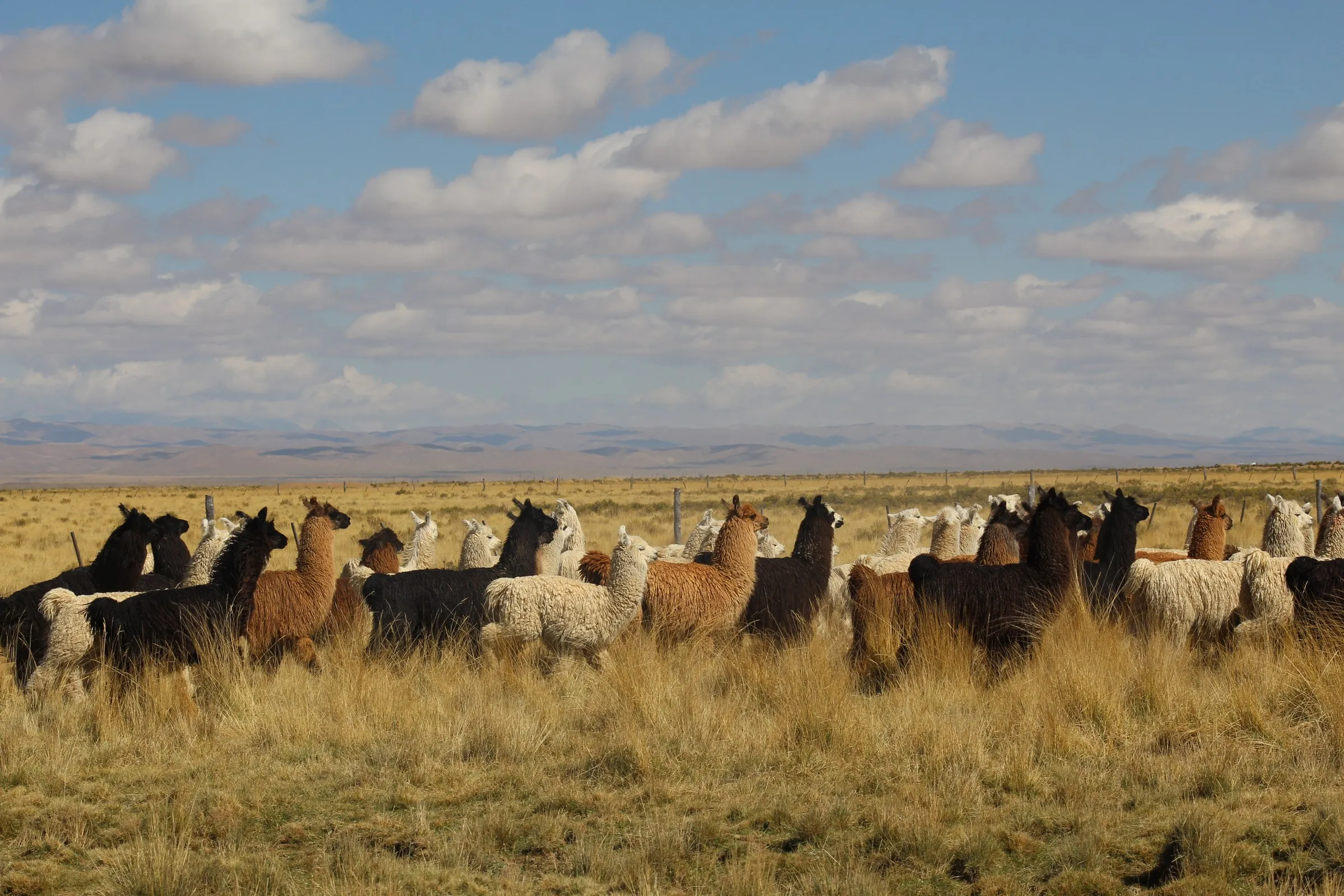
We are a family devoted to raising llamas in the Jujuy highlands for over a century. David Alfonso Dentice, a Food Science and Technology graduate, now continues the work of his grandparents and great-grandparents, adding value to llama meat and bringing it to kitchens across the country.
TIMELINE
Over 100 years in the making
Early 20th century
The origin of the Argentine llama
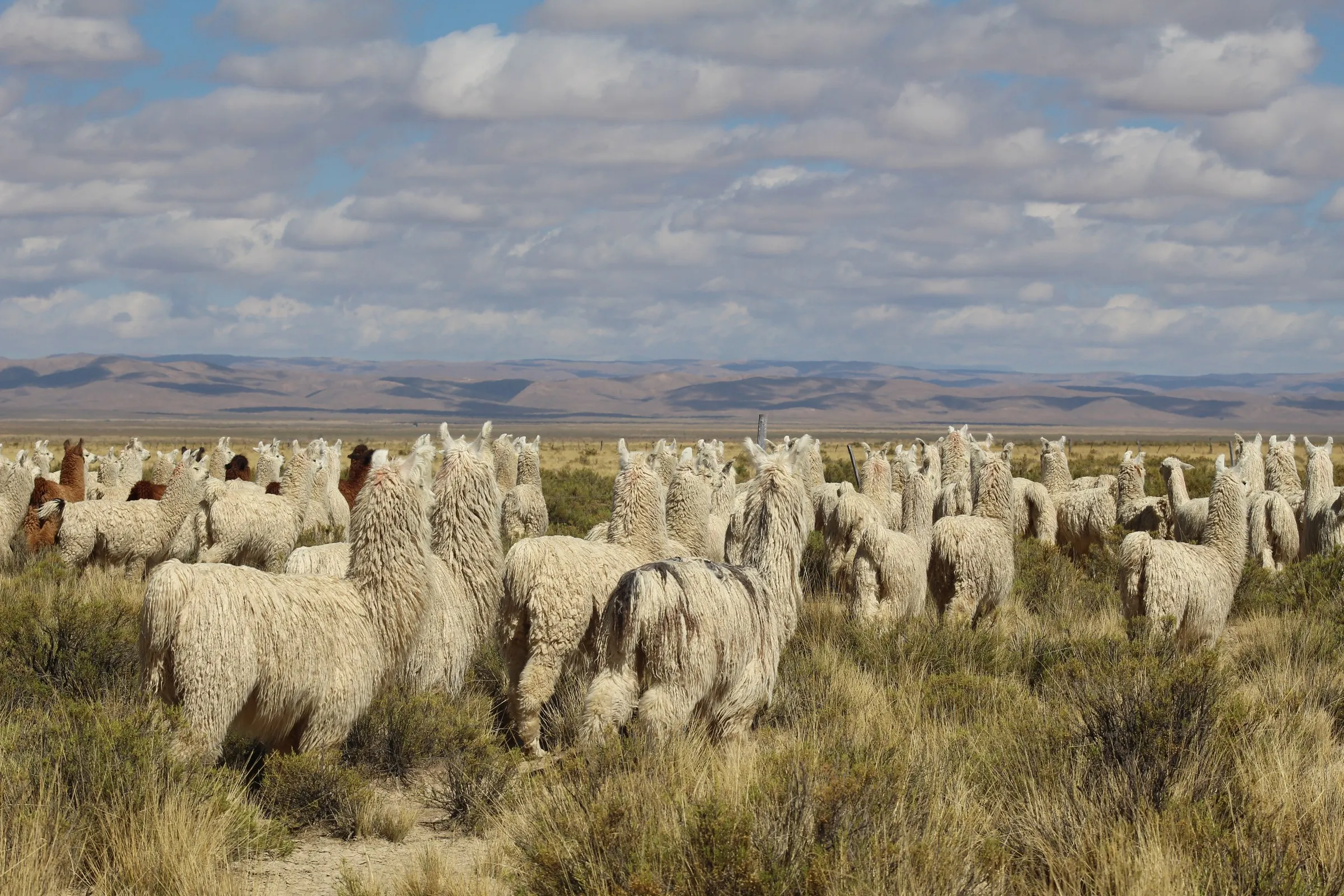
Victoriano Calizaya, a camelid trader and breeder, made the first cross between alpacas from Oruro (Bolivia) and llamas from the Jujuy highlands. That cross gave rise to the Argentine llama, recognized worldwide.
1950
Cabaña La Candelaria is founded
Primitivo Alfonso Maidana and Julia Marcelina Calizaya — Victoriano's daughter — marry and found the family ranch in the Cuenca de Pozuelos, 3,600 m above sea level, in northern Jujuy.
2006
International recognition
Our llamas' genetics win 1st and 2nd prize at the 4th World Camelid Congress (Catamarca) and national awards at the Andean Llama Fair.
2018
First SENASA slaughter permit in the country
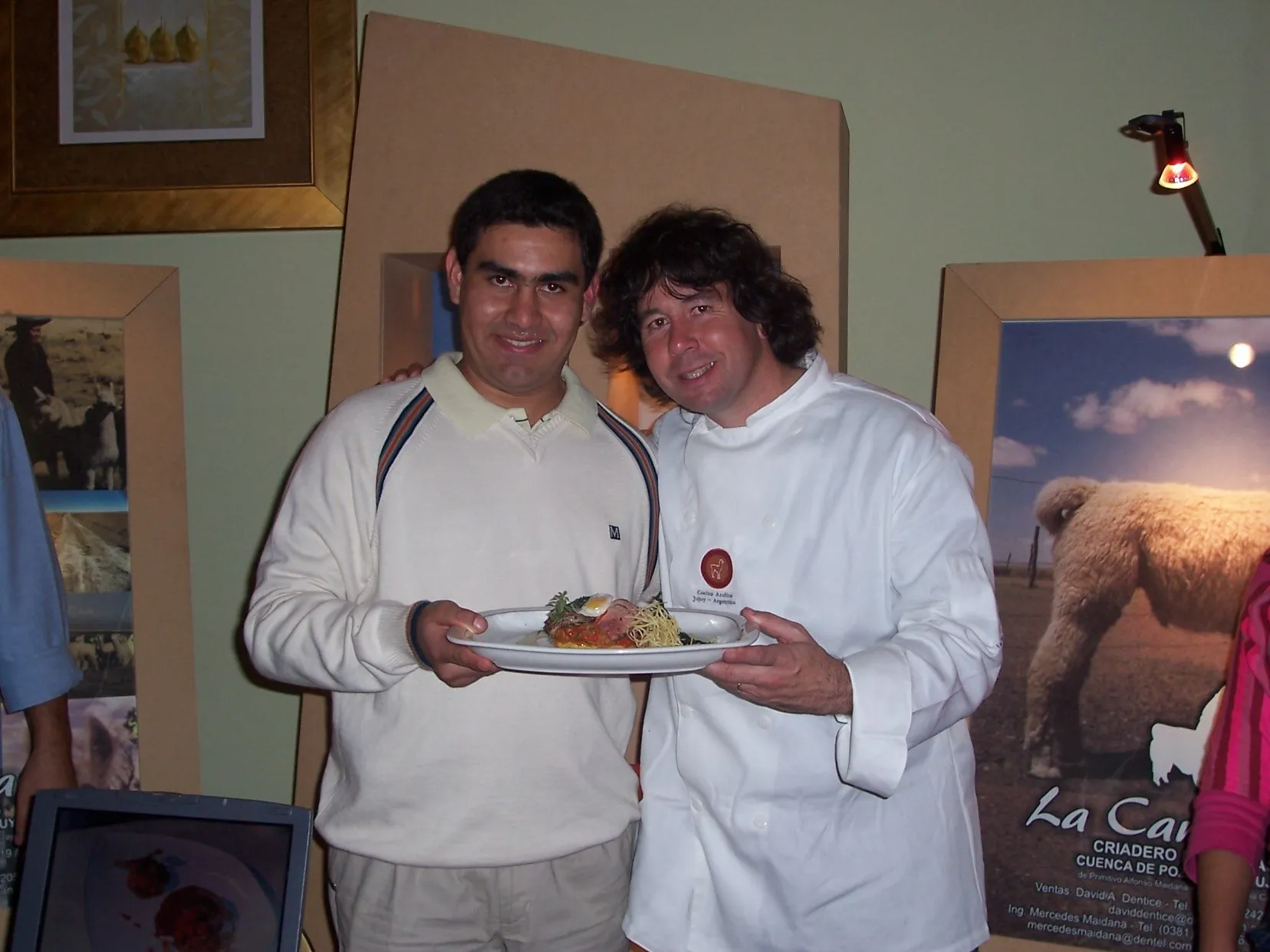
We secured — for the first time in Argentine history — the SENASA llama slaughter permit, at the Bella Vista plant (Tucumán), owned by the Cooperativa Agropecuaria 20 de Junio.
2021
Added value and genuine work
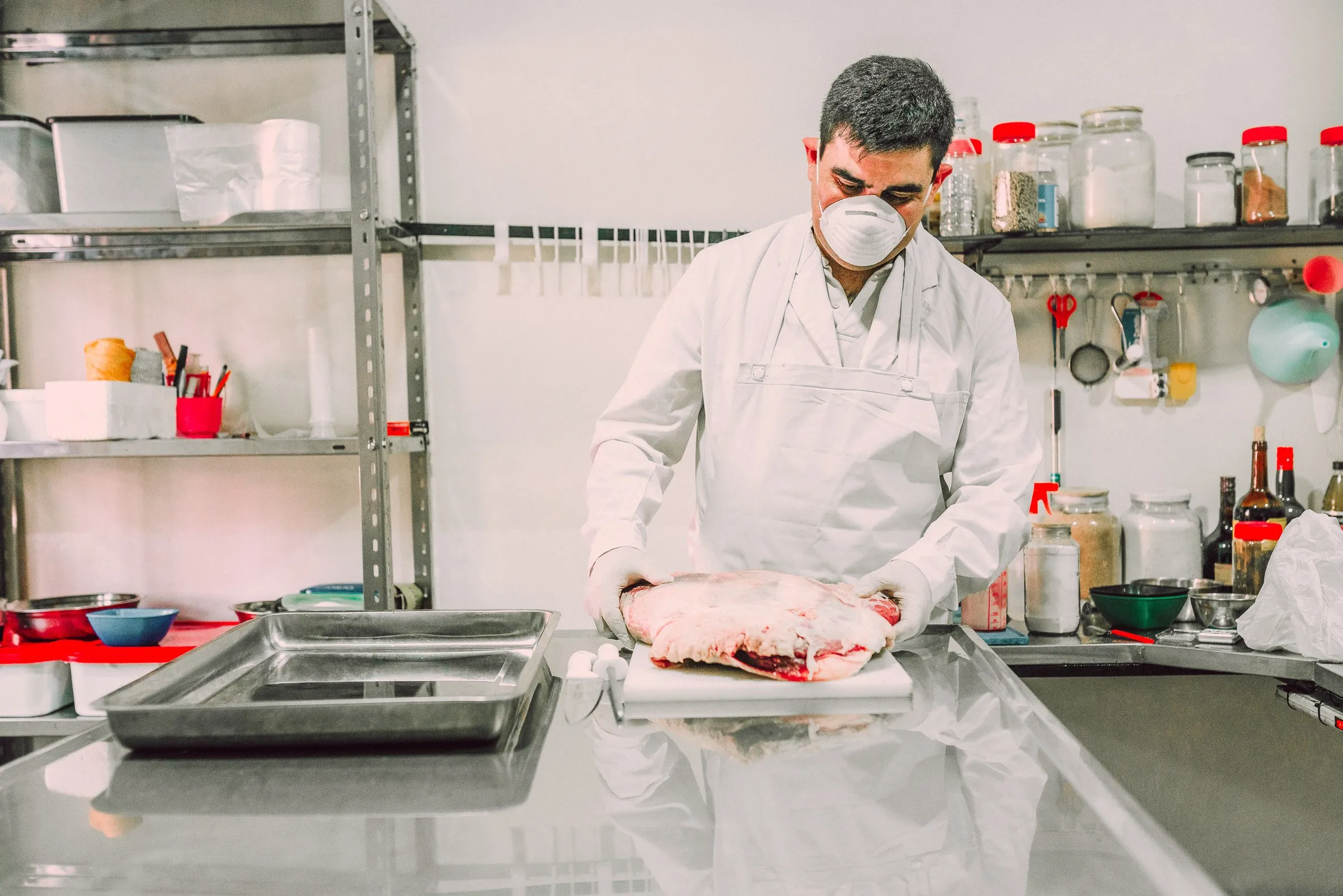
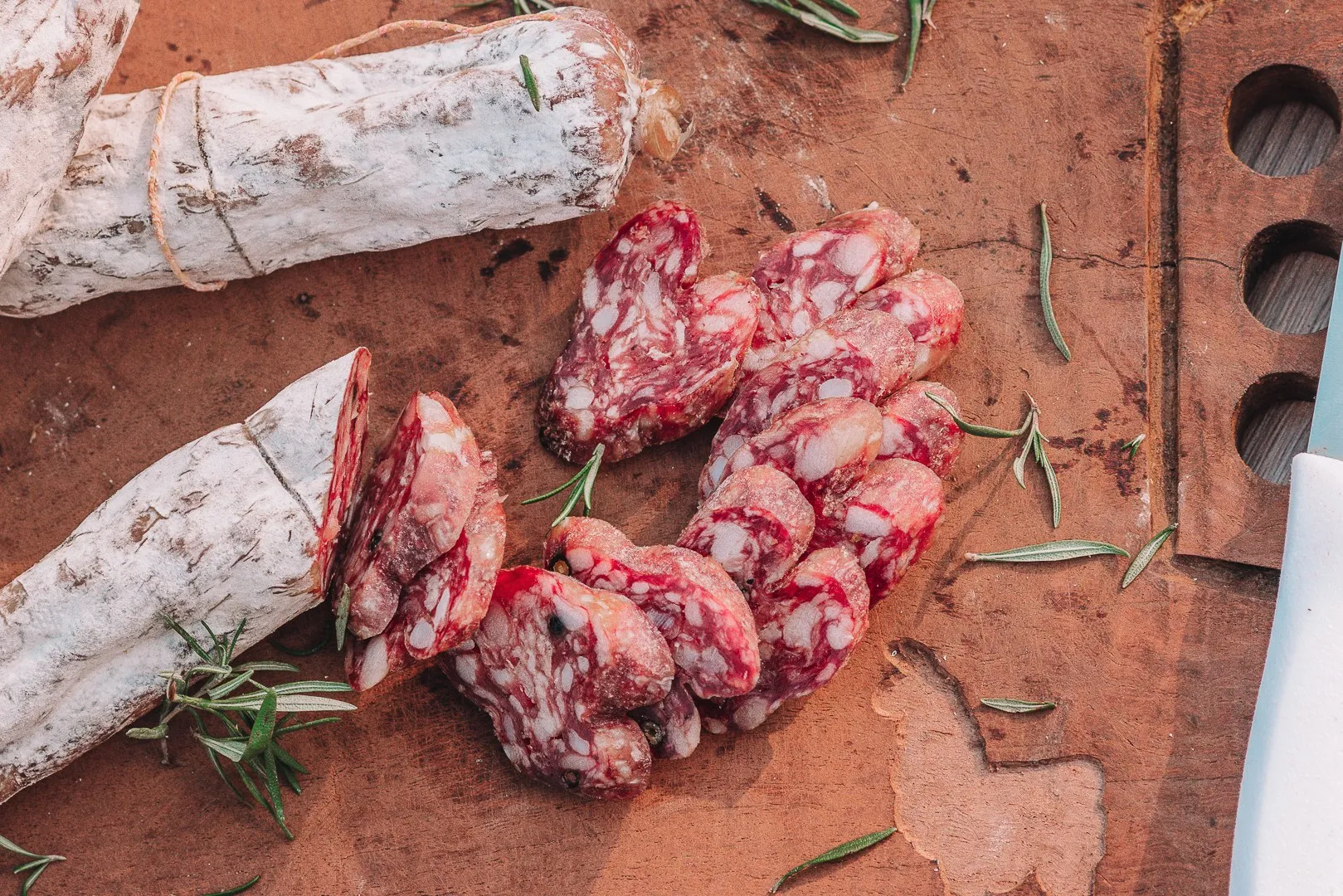
We opened a cured-meats production facility in Tucumán and formed the Mi Pueblo Florecerá cooperative with producers from Rodeo Grande, reintroducing llamas to the region and creating work for women and young people.
MI PUEBLO FLORECERÁ
A cooperative bringing llamas back to the land
In Rodeo Grande, Choromoro (Tucumán), we work with local producers to reintroduce llamas to the region, train local shearers, and build our own slaughter facility — creating genuine work for women and young people.